Filed under Budget & Planning
Photographing Canadian Rockies Weddings: Light, Climate and Backcountry Prep
Overview
Alpine wedding imagery hinges on adaptable timing, terrain know-how, and a prepared crew. Factor weather, access, and guest comfort into site selection before you commit.
Why mountain wedding albums feel genuinely yours
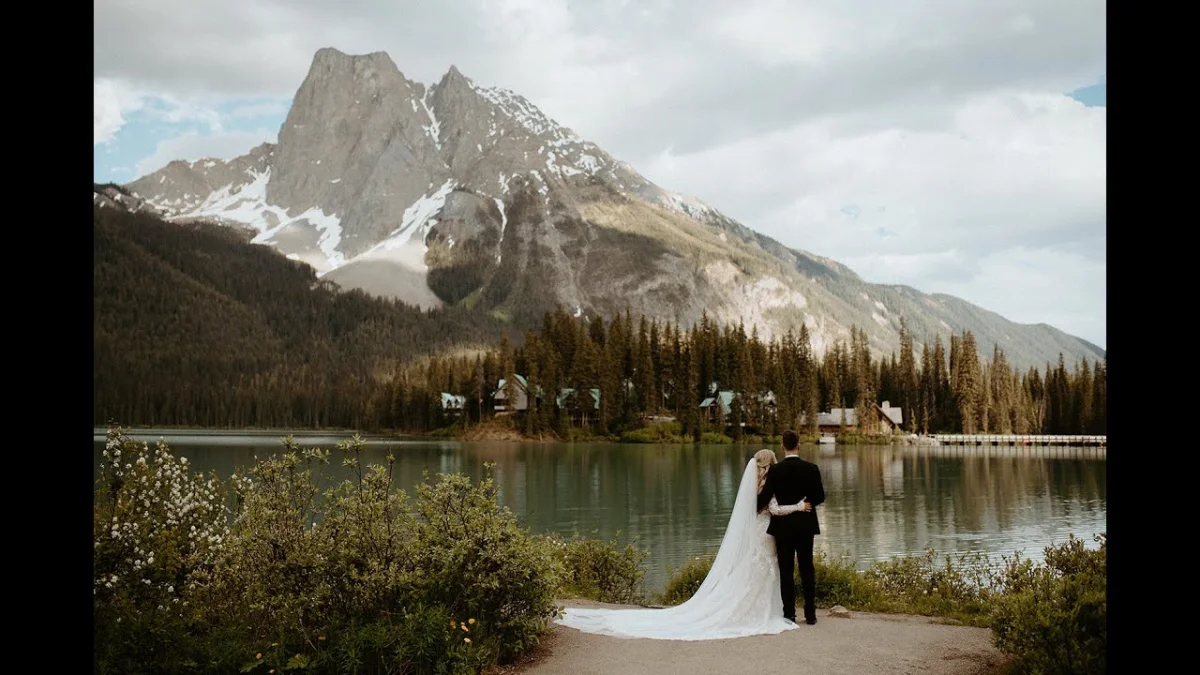
The most memorable images from a Canadian Rockies celebration often trace back to on-site choices: where the photographer stands as cloud shadows cross a ridge, when they pause for shifting light, and how they help a couple feel at ease on uneven ground. Here, weather and topography influence the story as much as the vista. A calm morning can flip cold and wet, and a trail that looks short on paper may climb sharply.
That volatility rewards a plan with slack built in. Seasoned photographers scout, pad schedules around changing skies, and use light direction rather than rigid posing. A team such as Film and Forest blends backcountry experience with editing that preserves natural glacier blues and forest greens. Galleries can feel anchored in the landscape and in how the couple actually experienced it.
Local knowledge matters most when the ceremony sits far from pavement or a venue gate. Bespoke Bride notes that since 2011 its coverage has shown couples may obsess over a vista yet skip asking whether their photographer has shot there before. More than 15 years in weddings have also taught the team that imperfect weather often yields standout mountain frames—knowing where to stand when late sun breaks through cloud cover.
Couples still weighing an alpine event can explore adventure and alpine elopement ideas for varied approaches. The early decision is what narrative the photos should tell, from candid documentary work to a more editorial finish. Bespoke Bride’s overview of wedding photography styles can steer that talk.
Shape the day around light and getting there
Banff’s popularity makes timing both logistical and creative. The park draws more than four million visitors a year and landed on National Geographic’s Best of the World 2026 list. Famous lookouts are rarely empty at noon, so many photographers prefer dawn or dusk. At elevation, golden hour can be short and dramatic; a ridge may vanish behind cloud with little notice. A timeline pinned to one exact minute leaves almost no buffer.
Compared with an indoor hall, an alpine site offers a narrower, less predictable slice of usable light. It also exposes everyone to the elements and may require hiking, horseback, or helicopter access instead of a quick drive. Mountain vows often pair well with smaller guest counts, while indoor venues scale from dozens to hundreds. Those gaps make backup dates, alternate routes, and padded schedules especially valuable.
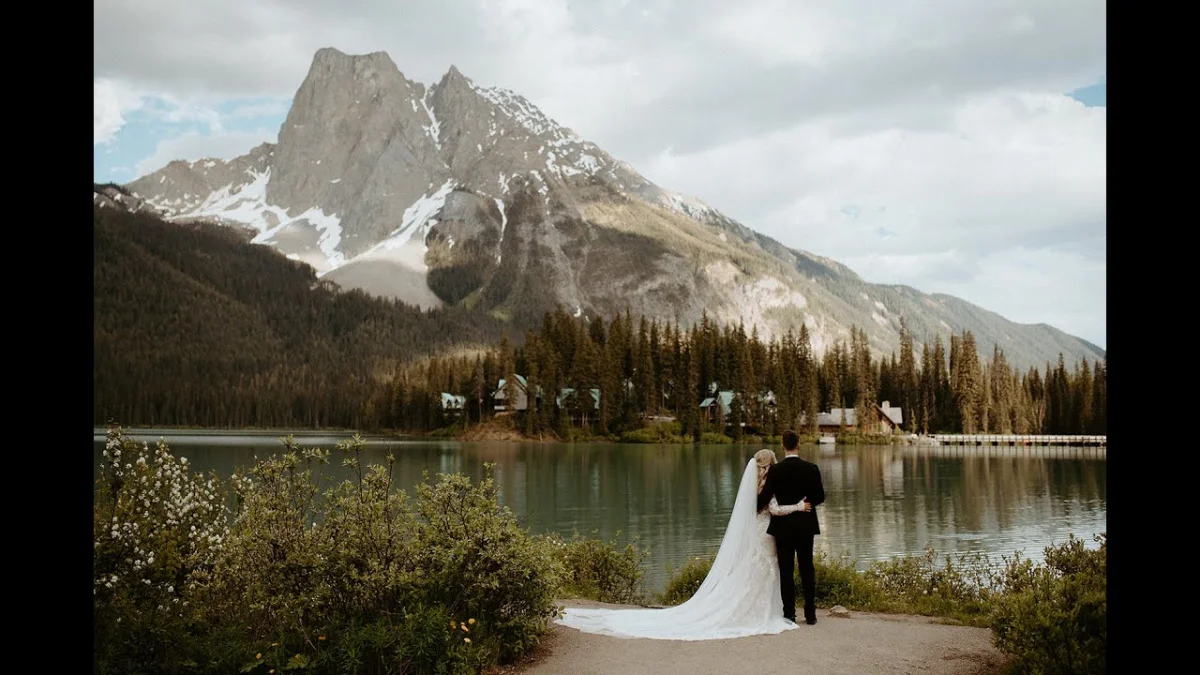
Intimate groups can make each attendee part of the frame, but the site must match mobility and comfort levels. The source points couples toward intimate micro weddings with a big view as one path. For those wanting an indoor counterpart, it includes a video link to a Canadian Rockies venue:
Let terrain drive the schedule before outfits and portrait spots are locked. Review trail conditions and elevation gain, then budget enough time to move between spots. Thin air slows pace, loose rock demands solid shoes, and an exposed summit may run far colder than the valley. Keep layers handy and avoid packing the day so tight that a slower hike becomes stress.
Travel timing needs the same attention. Photographers and planners quoted by Bespoke Bride suggest arriving at least a day early and keeping an extra morning free. Flight delays and mountain-pass weather can scramble arrival plans. A rain-date—or full backup day—gives the couple and photo team room if the original plan is unsafe. The source also cites The Knot’s guide to adventure elopement packages for operators that reschedule in poor weather.
Hire a crew built for the outdoors
A polished portfolio helps, but remote wedding work also demands field experience. Ask how many backcountry weddings they’ve shot, which seasons they know, and how they map routes. The source flags guiding background and wilderness first-aid training as relevant when leading a small group to a distant viewpoint. Route planning and risk assessment belong in creative talks from day one.
Gear prep matters too. Cold drains batteries fast, and missed moments cannot be staged twice. Experienced shooters carry spare bodies and cards, weather-proof equipment, and extra power. In sub-zero wind, lithium cells fade quickly; many keep spares in an inner pocket and rotate through the day.
Clarify whether a second photographer is included. The lead may walk backward in front of the couple, locked on expressions, while guests react behind them. Another shooter can capture those reactions and angles outside the lead’s line of sight. For a small ceremony, that extra coverage can balance the couple’s story with everyone sharing it.
Editing style is part of the fit. Look for consistent skies, water, and skin across a full delivery. The source prefers natural colour over filters that may age poorly. Before booking, add these questions:
- Field experience: How many remote weddings have you photographed, and in which seasons?
- Team: Will a second photographer cover guests and alternate viewpoints?
- Weather plan: What happens if conditions require a new date or route?
- Delivery: When should we expect previews and the finished gallery?
Those answers sit beside the usual vendor comparisons. Bespoke Bride’s vendor checklist for comparing quotes and contracts can organize the review.
Confirm location rules early
Park land can impose extra rules on commercial photography, styled shoots, and vendors on site. The source says photographers who sell images in national parks need a business licence to work there, while commercial shoots require a separate photography permit filed at least 20 business days ahead. Each contractor needs its own licence. Personal hobby photography is treated differently, recreational drones are banned in national parks, and commercial drone use needs further authorization and is rarely granted.
Those requirements touch more than the photographer. Videographers, hair and makeup artists, and guides may each need permission. Confirm who files each application and how much lead time it takes. The source points to Banff’s permits and licences information and a national park elopement guide for US comparisons.
Verify access before choosing a ceremony spot, especially for pre-sunrise arrivals. Some alpine lakes cap private cars and rely on shuttles in peak months. At Moraine Lake, personal vehicles have been banned since June 2023; visitors need a shuttle, tour, or licensed operator. Ask which operators can reach the site on your timeline, and build transit into the schedule. A stunning shoreline only works if everyone can arrive on time.
Marriage paperwork depends on where vows happen. The source states couples marrying in Alberta need a provincial marriage licence and a registered officiant. The licence fee is CA$40, about US$29 or £22, plus the registry agent’s service charge. It is issued while you wait, stays valid three months, and does not require residency. Ceremonies in Yoho or Kootenay need a British Columbia licence instead. Confirm current rules with the relevant authority before finalizing plans.
Before committing to a location, run through these checks:
- Site access: Confirm guest limits, vehicle restrictions and shuttle hours.
- Professional permissions: Find out which vendors need authorization and who will arrange it.
- Marriage paperwork: Check the requirements for the province where the ceremony will happen and arrange an officiant.
- Care for the site: Plan for waste, suitable footwear and minimal impact on delicate terrain.
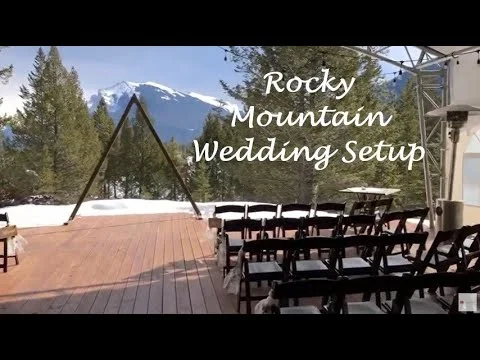
The source also includes two visual references: a video link showing a wedding setup and a link to a video featuring an indoor Canadian Rockies venue.
Leave space for the day to evolve
A mountain wedding trades a rigid minute-by-minute plan for one that can respond to light, weather, and how fast the group moves. Photos improve when the team knows the trails, carries backup gear, and has time to pivot. Guests benefit from clear notes on walking, layers, and transport. Sorting permits and access early frees attention for why everyone gathered: celebrating together somewhere meaningful.
Choose a photographer for field judgment as much as portfolio, then build slack around ceremony and travel. That pairing lets the day unfold naturally—and gives the final gallery a stronger chance of feeling like your story, not a stock mountain shoot.