Filed under Bridal Style & Beauty
Destination Wedding Shoes: Stones, Vineyards and Historic Sites
Overview
Align bridal shoes with each surface—from cobbled lanes to vineyard turf—and keep a second pair ready for travel, portraits and dancing.
Read the terrain, then shop
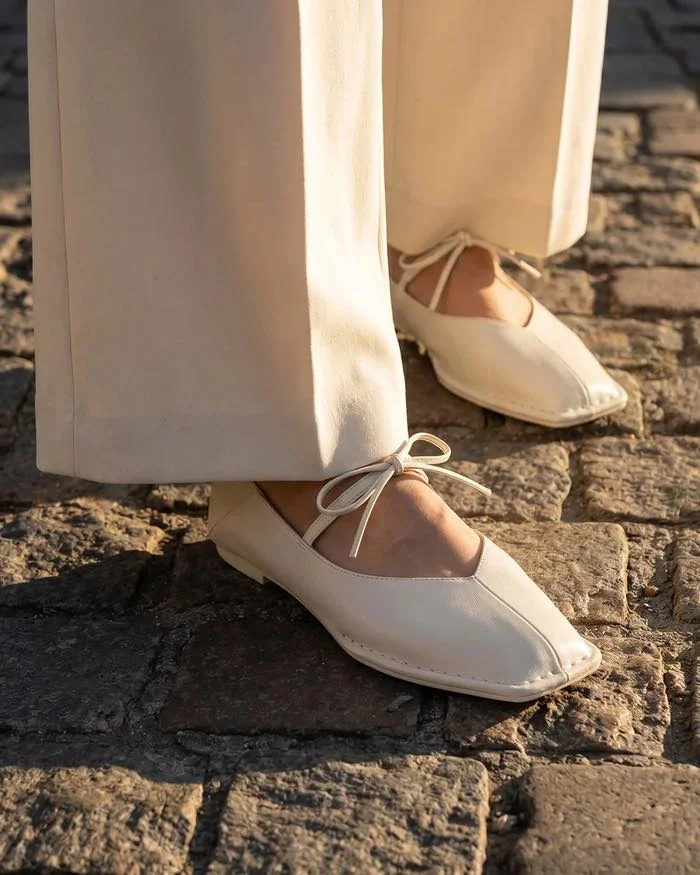
When a wedding crosses cobbles, vineyard turf, marble stairs or blocks between venues, shoes must do more than match the dress. The aisle may be brief; paths to portraits, dinner and dancing can cross surfaces that punish the wrong heel. A venue walk-through plus a two-shoe strategy keeps those legs of the day comfortable.
Across 15 years of wedding shoots, the same pattern repeats: satin stilettos that shine in the ceremony survive only a few strides on aged stone. The fix is not one mythical all-terrain bridal shoe—it is mapping the route and pairing a dressier ceremony pair with walking shoes for uneven ground.
FITORY supplied product notes for this guide. Relevant styles include Mary Jane flats, low pumps and ankle-strap heels. Verify fit, fastening, sole and heel height before slotting each pair into your rotation. Whatever you wear to the vows should still feel workable at the next photo stop.
Treat destination footwear as travel planning. Venue layout, weather, walking distance and ground type all matter. A flat indoor ballroom may need one reliable pair; an old town or spread vineyard may need deliberate backups.
As of 2026, The Knot’s Real Weddings Study—10,474 US couples married in 2025—puts average wedding spend at $34,200 / £25,300. Destination couples should budget for moving through places built before modern bridal heels. If vintage and old-world wedding ideas inspire you, remember the charming pavements that sell the mood can also punish your feet.
"At a destination wedding, the walk everyone photographs is often the hike to portraits. That is usually when the wrong shoe stops working."
Pair each sole to the ground
Block heels behave well on firm, even grass: a wider base sinks less than a needle heel. Cobbles are another story—chunky heels still wedge between stones, and a caught edge can unbalance you. On hard, irregular stone, favour low height, flexible soles and real grip.
The Knot’s outdoor wedding shoe guide quotes a footwear trend specialist: a broader strike surface and heels around 2 to 3 inches (5 to 7.5cm) can help on uneven ground. That tracks on lawns. On cobbles, flex and traction beat width alone.
Inside Weddings reaches a similar read in its bridal flats real brides wore—heels lack stability on sand, mud and cobblestones. Flats are not automatic winners: a rigid, slick sole can skate on polished historic stone. Inspect the sole as closely as the heel.
| Surface | Common choice | What to look for |
|---|---|---|
| Cobblestones or setts | Chunky block heel | Strapped flat or low wedge with a flexible rubber sole |
| Vineyard grass | Stiletto saved for photos | Espadrille wedge or 2 to 3 inch (5 to 7.5cm) block heel |
| Gravel paths | Strappy open-toe sandal | Closed or square-toe shoe to keep stones out |
| Marble terraces and steps | New leather soles without scuffing | Scuffed soles or grip pads; ankle-strapped kitten heel |
| Beach or sand-covered terrace | Any kind of heel | Flat slide or barefoot sandal with foot jewellery |
Map every surface you will cross—not only the aisle. One evening can move from lawn to gravel to stone in minutes.
Five practical styles for destination days
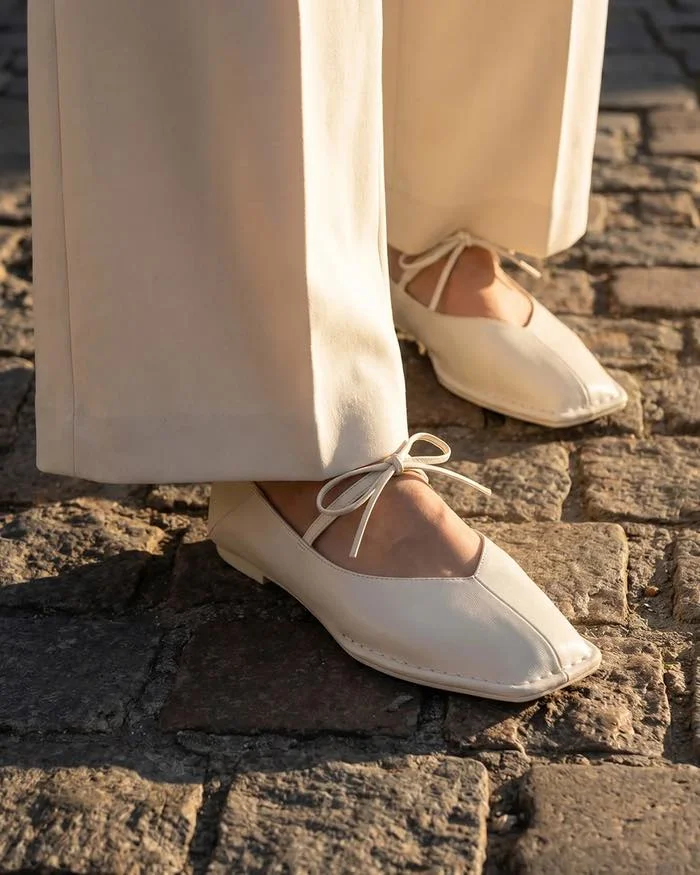
- Flexible square-toe Mary Jane flat: strong on cobbles. Seek a 0 to 1cm heel, secure strap and grippy, pliable sole. The strap holds the foot; a square toe gives room on long walks. A supple sole bends over rounded stones better than a board-stiff one. For Lisbon, York or Savannah, keep this on your backup list. FITORY’s Mary Jane flats can start that shortlist—still test sole and fit against your route.
Mary Jane flats
Related cards 3